English
  日本語
日本語  한국어
한국어  français
  Deutsch
  Español
  italiano
  русский
  português
  ไทย
ไทย  Malay
Malay 

When it comes to vehicle video surveillance, two popular options stand out—mobile DVRs and dash cams. While both record driving footage, their cost, functionality, and long-term return on investment (ROI) differ significantly. Understanding these differences is crucial for fleet operators, logistics companies, and law enforcement agencies making purchase decisions.
Dash Cam: Low upfront cost, typically $50–$300. Best suited for private cars or single-vehicle use.
Mobile DVR (MDVR): Higher initial investment ($300–$1,000+ depending on configuration), but designed for fleets and professional use. Multiple cameras and advanced storage options increase value over time.
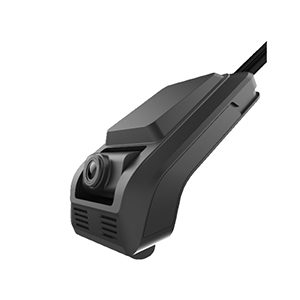
Dash Cam
Single or dual-channel recording (front/rear).
Plug-and-play installation.
Basic features such as loop recording, G-sensor, and limited night vision.
Supports 4–8 cameras simultaneously, covering 360° around the vehicle.
Industrial-grade design: wide voltage range, anti-vibration, shockproof.
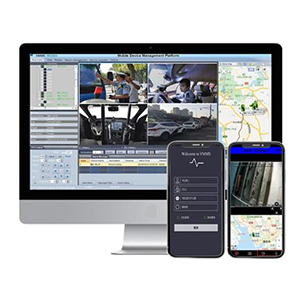
4G/Wi-Fi for live streaming and GPS for fleet tracking.
AI integration (ADAS, DSM, BSD) for safety alerts.
Hot-swappable storage (SD/SSD up to 2 TB).

Dash Cam: Provides basic evidence in accidents, useful for personal drivers but limited in scalability.
Mobile DVR: Higher ROI for fleets—reduces false insurance claims, improves driver accountability, enables real-time dispatch, and enhances passenger safety. Long-term durability (≥5 years, MTBF > 30,000 h) ensures the system pays for itself many times over.
For individual drivers, a dash cam is affordable and easy to use.
For fleets, logistics companies, or law enforcement, a mobile DVR offers unmatched functionality, durability, and ROI despite the higher upfront cost.
In short, if your goal is basic recording, a dash cam will suffice. But if you need scalability, advanced safety features, and long-term cost savings, investing in a mobile DVR is the smarter choice.